3-Day Tour from Marrakech to Merzouga:
The Complete Desert Itinerary
A 3 day tour from Marrakech to Merzouga takes in Ait Ben Haddou, the Dades and Todra Gorges, a camel trek into the Erg Chebbi dunes, and a night under the stars in the Sahara — here is exactly what three days on the road looks like.
See the Day-by-Day RouteA 3-day tour from Marrakech to Merzouga is the classic way to cross the High Atlas Mountains and reach the Sahara without giving up a full week of your trip. In three days you will drive the Tizi n’Tichka pass, visit the UNESCO-listed kasbah of Aït Ben Haddou, walk through two dramatic river gorges, ride a camel into the Erg Chebbi dunes, and spend a night camping in the desert — before looping back to Marrakech through the Draâ Valley’s “route of a thousand kasbahs.”
Below is a realistic, day-by-day breakdown of the route: what each stop is actually like, how long you will spend driving, and a few practical things worth knowing before you book.
Marrakech to Boumalne Dades
Via the High Atlas Mountains, Aït Ben Haddou, Ouarzazate & Kalaat M’gouna
Most private tours collect you from your riad or hotel around 8am, right after breakfast. From Marrakech the road climbs almost immediately into the High Atlas, over the Tizi n’Tichka pass — the same high route that camel caravans followed for centuries to move goods between the Sahara and the city. Expect plenty of stops for photos; the switchback views over the valley are some of the best of the entire trip.
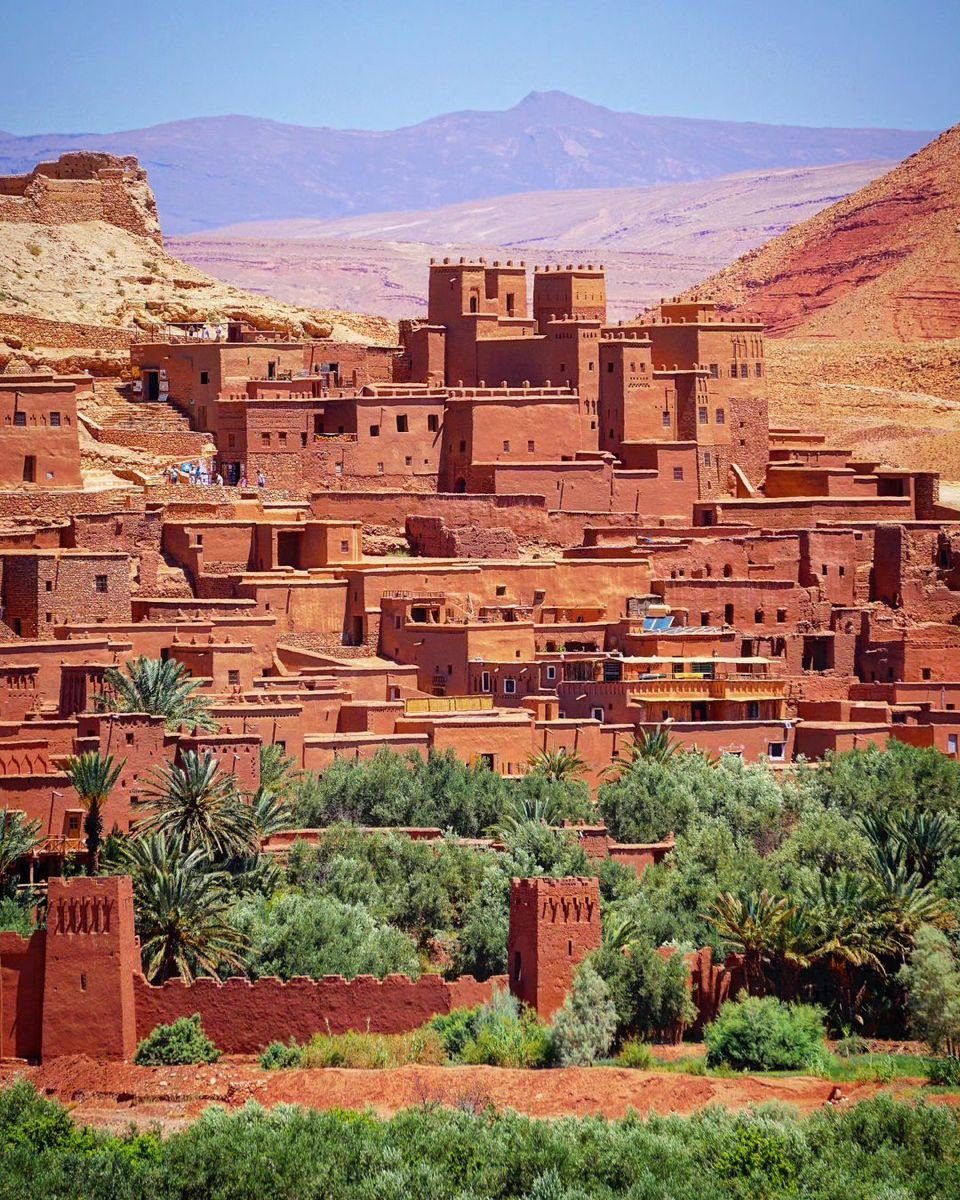
On the other side of the pass, the first major stop is Aït Ben Haddou, a UNESCO World Heritage ksar built from rammed red earth. It is one of the best-preserved examples of traditional Berber (Amazigh) fortified architecture in Morocco, and its dramatic silhouette has appeared in more than one Hollywood production — if parts of it look familiar, that is probably why.
From there the road continues to Ouarzazate, nicknamed the “Hollywood of Morocco” thanks to its film studios, where several major international productions have been shot. Soon after, you will pass through Kalaat M’gouna, the center of Morocco’s rose industry; many tours stop at a local cooperative where the owner explains how rose water and oil are extracted and turned into cosmetics and health products.
The day ends in Boumalne Dades, a small town at the mouth of the Dades Valley, where you will overnight at a hotel before continuing toward the desert the next morning.
Boumalne Dades to Merzouga
Via Todra Gorge, then a camel trek into the Erg Chebbi dunes
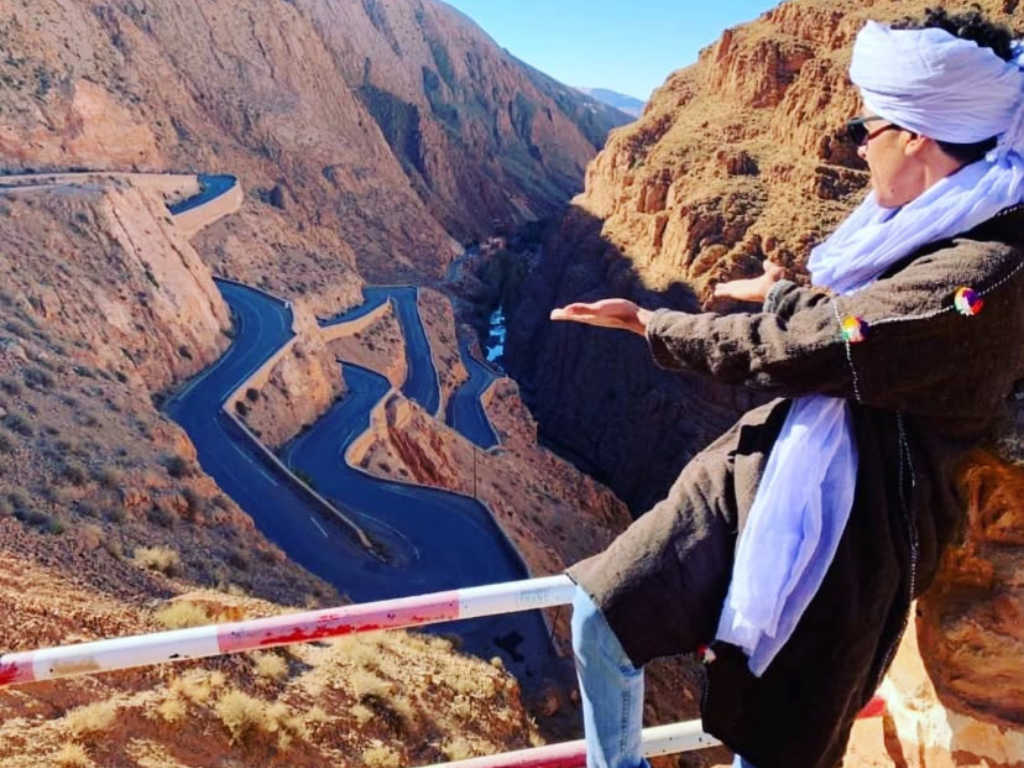
After breakfast, the drive heads toward Todra Gorge, one of the deepest canyons in Morocco. Walking along the river with the cliff walls rising hundreds of meters overhead is one of the more memorable stops on the whole route, and the gorge is popular with rock climbers as well as road-trippers.
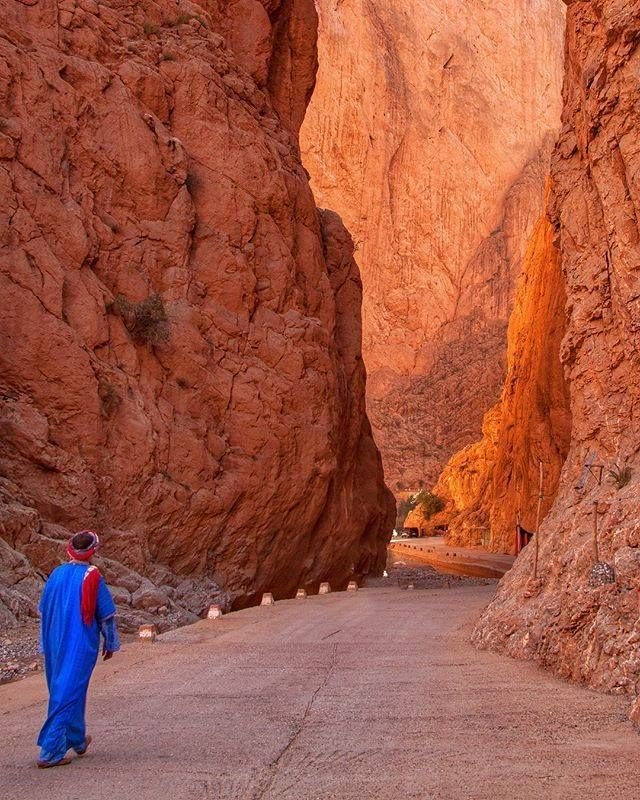
From the gorge, the landscape changes fast: fewer mountains, more open desert, and increasingly dense groves of date palms whose deep roots reach water far below the surface. Passing through Erfoud you will start seeing shops advertising fossils — the Sahara was once the floor of an ancient sea, and the fossils left behind have become a genuine local industry. A few minutes later you reach Merzouga, the main gateway to the Sahara.
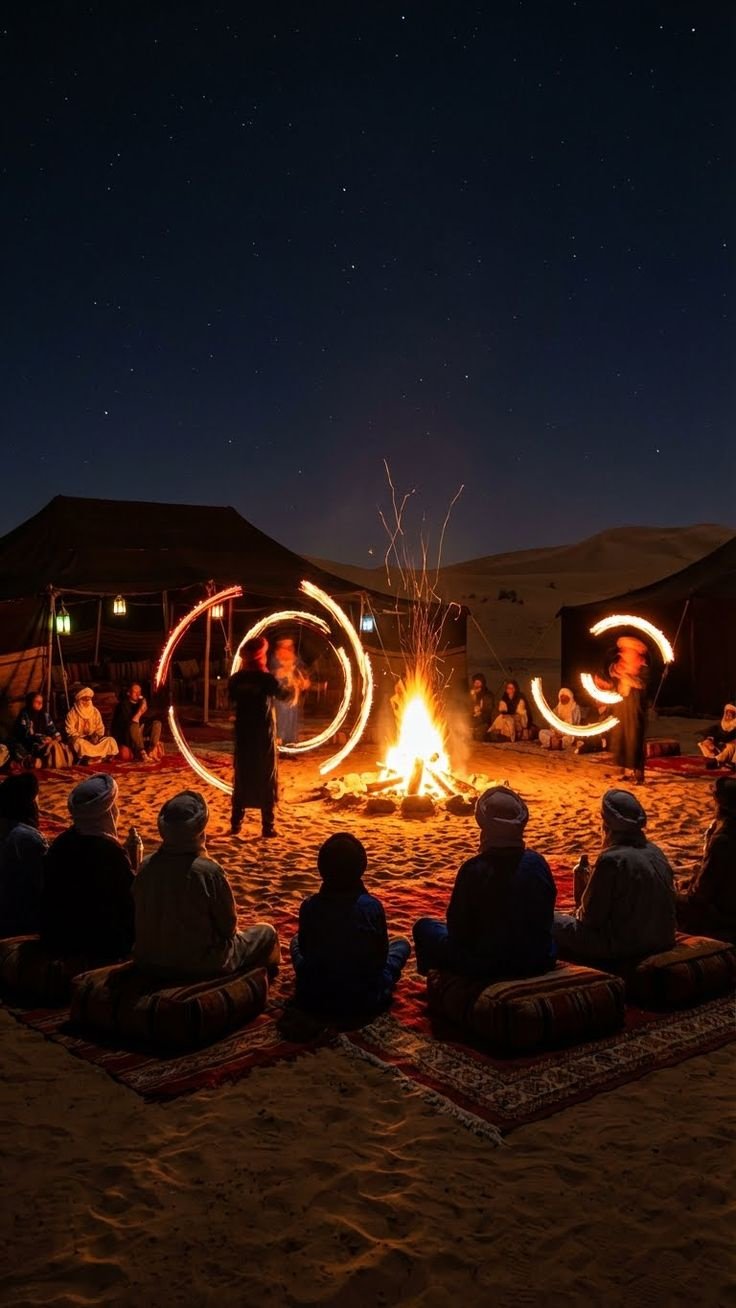
This is where the vehicle stops and the camels take over. A roughly 45-minute to one-hour camel trek, usually timed to catch the sunset, carries you into the Erg Chebbi dunes to a desert camp for the night: dinner, live Berber music around a campfire, and — with essentially no light pollution for miles — some of the clearest night skies you will see anywhere in Morocco.
Merzouga to Marrakech
Via Rissani, the Draâ Valley, Ouarzazate & the Tizi n’Tichka pass
Early risers are rewarded with a genuinely spectacular sunrise over the dunes. After a Moroccan breakfast at camp, you will head back to town (by camel or 4×4) and begin the long drive back toward Marrakech. The first stop is usually Rissani, historically a trading hub and a good place to pick up medfouna (sometimes called “Berber pizza”) for lunch later.
From Rissani the road runs along the Draâ Valley, nicknamed the “route of a thousand kasbahs” — and that is barely an exaggeration; this stretch has one of the highest concentrations of fortified kasbahs anywhere in Morocco. Many tours stop for a picnic lunch under the acacia trees near Agdz, often with mint tea brewed over a small fire.
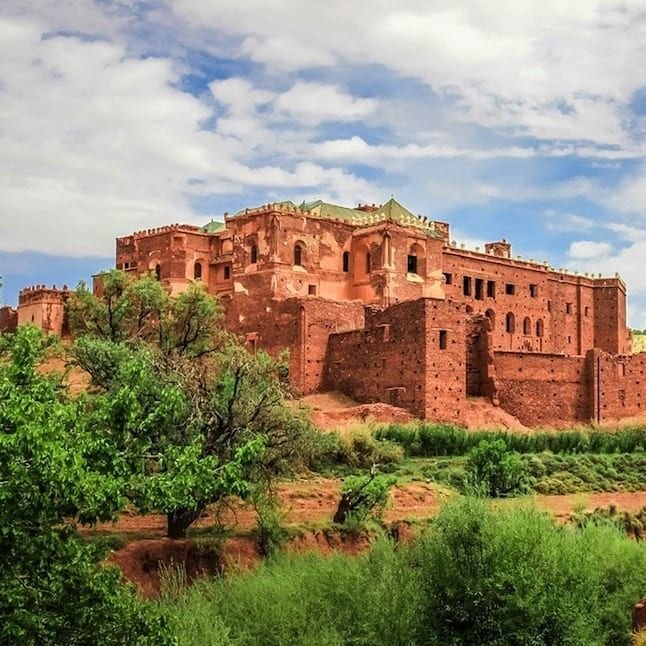
Back in Ouarzazate, there is usually time to see a film studio or Kasbah Taourirt before the final climb north, back over the Tizi n’Tichka pass through the High Atlas — with, inevitably, a few more stops for pictures.
Back in Marrakech: Make the Most of Your Last Hours
By the time you reach Marrakech, most tours simply drop you at your hotel. If you have the energy, Jemaa el-Fna, Marrakech’s main square, is worth at least one evening visit — storytellers, snake charmers, food stalls, and a genuinely unique atmosphere that fills the medina every night. A glass of fresh orange juice from one of the square’s stands is a small ritual worth doing at least once.
If you have any energy left — or if you are arriving in Marrakech a day or two before this tour starts — the Palmeraie on the edge of the city is one of the easiest ways to get a taste of desert adventure without leaving town. Just 30 minutes from the medina, you can ride an automatic quad bike along palm-shaded trails, take a 1000cc buggy out for a faster off-road loop, or finish with a gentle camel ride and mint tea at sunset.
Most outings run one to two hours, are beginner-friendly, and include a local guide. It is a good way to bookend a physically demanding multi-day desert trip with something shorter and closer to your hotel — a natural add-on whether you are preparing for or just back from a 3 day tour from Marrakech to Merzouga. See our full guide to quad and buggy tours in the Marrakech Palmeraie for current routes, durations, and prices.
Before You Book This Route
Still mapping out your own 3 day tour from Marrakech to Merzouga? Here is what past travelers wish they had known before booking.
How Physically Demanding Is It?
Expect long days in the car (6–10 hours spread across stops) rather than strenuous physical activity. The camel ride is short and gentle, and the gorge walks are easy. The main consideration is comfort on mountain roads rather than fitness.
Best Time of Year
Spring (March–May) and autumn (September–November) are the most comfortable, with mild days and manageable nights. Desert nights get cold from November to February, and summer daytime heat in Merzouga regularly passes 40°C.
Private vs Small Group
This route is most commonly run as a private tour with your own driver-guide and vehicle, which lets you stop for photos whenever you like. Fixed-departure small-group versions also exist and tend to cost less.
How to Book This Exact Route
This itinerary follows one of the most popular fixed circuits between Marrakech and the Sahara. If you would rather leave the logistics — vehicle, driver-guide, desert camp, and meals — to a specialist, MoroccoTimeTravel’s 3-day Marrakech to Merzouga desert tour covers this same route with a private car and overnight camping included.
What’s Typically Included (and Not)
Usually Included
A private, air-conditioned vehicle · an English or Spanish-speaking driver-guide · hotel transfers at the start and end of the trip · overnight hotel accommodation on nights one and three · one night in a desert camp with camel transfer · breakfast and dinner each day.
Usually Not Included
International flights, passports or visas · lunch (aside from an occasional picnic) · drinks outside of meals · entrance fees to kasbahs, museums, or film studios · tips · souvenirs or other personal purchases.
Exact inclusions vary by operator — always confirm the detailed itinerary and what is covered before booking.
Frequently Asked Questions
Everything worth knowing before you book a 3-day Marrakech to Merzouga tour.
More Palmeraie Guides
Planning to add a shorter desert-style activity in Marrakech itself? Start here.
Add a Palmeraie Adventure to Your Marrakech Stay
Just wrapped up a 3 day tour from Marrakech to Merzouga, or still planning one? Book your Palmeraie quad or buggy ride now.
Book Your Quad or Buggy Ride Explore More Morocco Tours with MoroccoTimeTravel →